Old House Plumbing in Windsor
Timber homes raised on stumps are what old house plumbing in Windsor mostly involves, with pipe runs you can walk beneath rather than walls you have to open. Windsor Plumbing Services puts a licensed plumber on every one of those jobs, from a weeping joint under a Windsor Queenslander to a full bathroom redo in a pre-1940 weatherboard.
If we're late, $100 comes off your bill

- Licensed and InsuredEvery job done by a licensed plumber. QBCC No: 15024607
- Fixed Quote FirstFlat-rate pricing, agreed before any work starts
- Lifetime Labour WarrantyBacked by our Fix-It-or-It's-Free guarantee (T&Cs apply)
- $0 Call-Out FeesNo extra charge for nights, weekends or public holidays
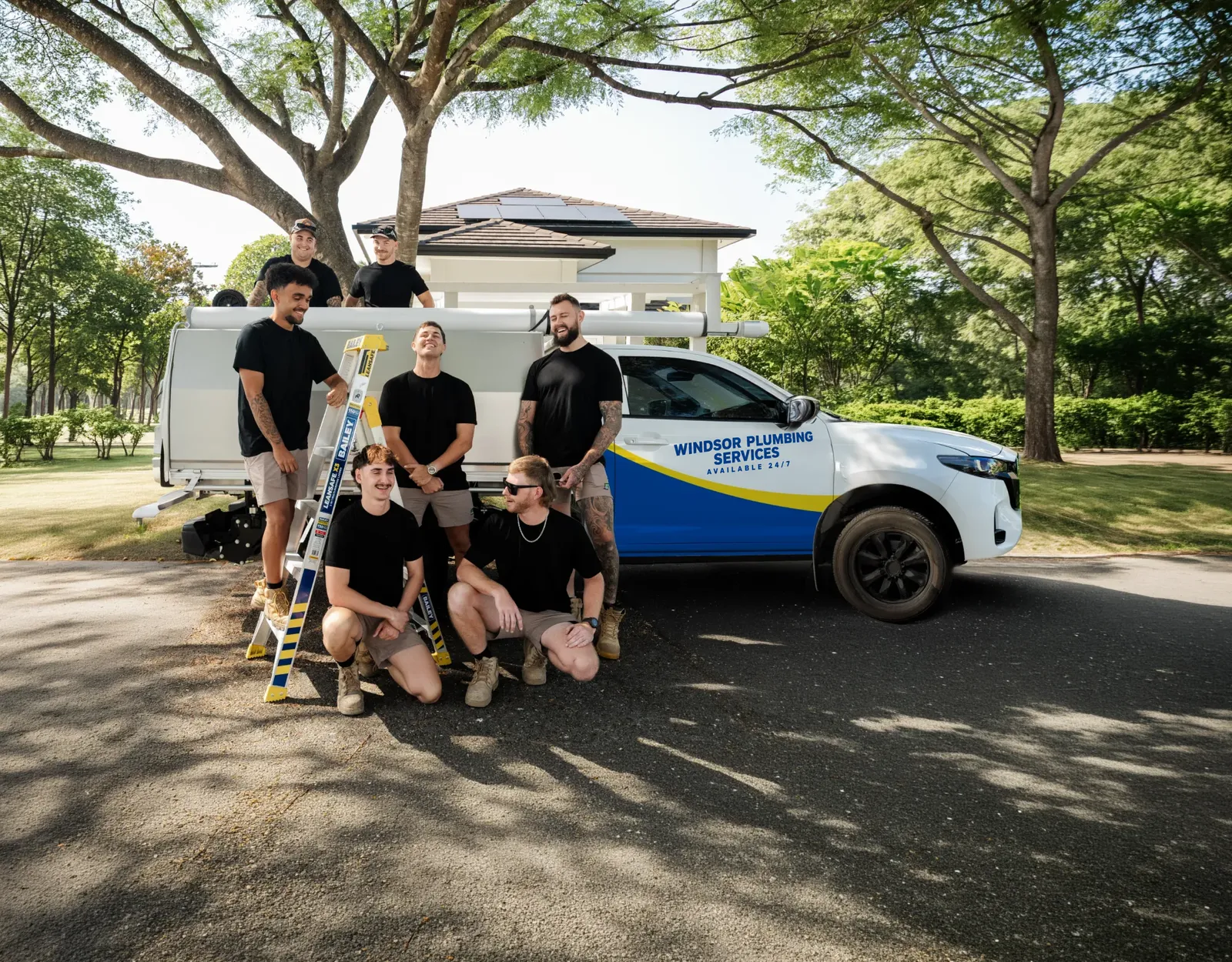
We cover the full catalogue for older places: supply and waste lines under the floor, ageing gas runs, tired fixtures and the paperwork a renovation sets off.
What Runs Beneath and Behind an Older Floor
A stumped house carries the water supply, the waste pipes and the gas run through the open space below the floorboards, where a torch and a crawl will find them. A slab home buries the same pipework in the slab or inside the walls, so getting to it means breaking into floors or walls.
Queensland law also expects an owner to keep their premises' plumbing and drainage sound and working properly, so a periodic look below the floor pays for itself.
Signs that show without opening anything:
- soil under a pipe run that stays wet or soft
- drips hanging at joints on a dry day
- orange rust marks on pipes and fittings
- damp patches or staining on the timber below
- a musty smell lingering under the house
Any of those points to a leak worth tracing, and the meter test explained on our leak detection page confirms one before floors come up.
When Old Gas Pipework Needs a Gasfitter
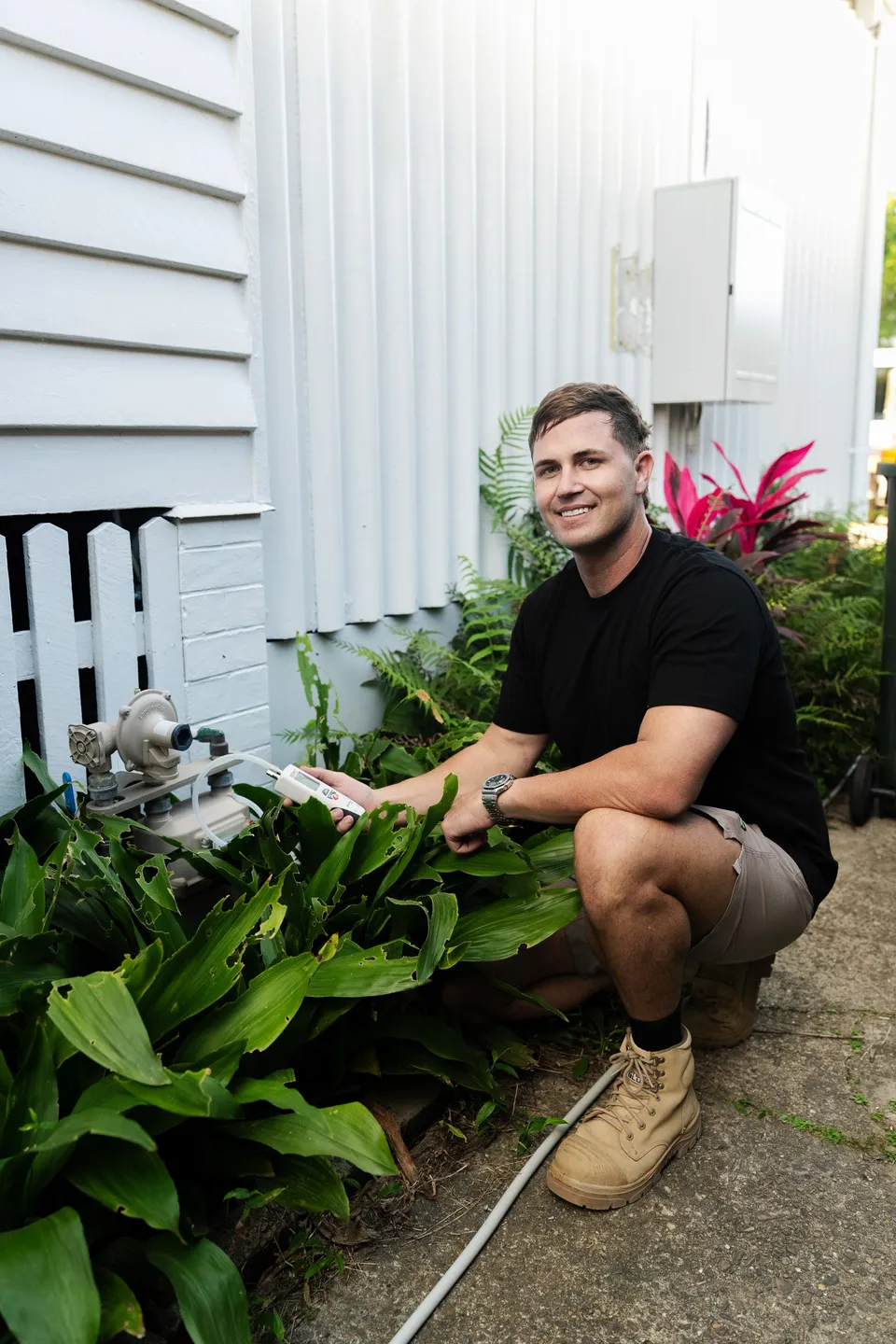
A licensed gasfitter is the only person who may lawfully touch old gas lines, because Queensland reserves installing, altering, repairing, servicing and testing gas systems for the licence. Queensland's gas safety advice asks owners to look over their systems regularly for corrosion, wear or fresh damage, and to keep anything flammable away from appliances.
If a gasfitter finds a safety concern on a system and can't fix it on the spot, you receive a defect notice for it.
Gas you can smell comes first every time. Turn the appliance off first. Open doors and windows to air the place, and don't touch any electrical switch.
If the smell doesn't fade, turn the gas off at your meter or bottle, then ring us. Dial 000 if it persists.
The certificate side of finished gas work sits on the gas compliance certificates page.
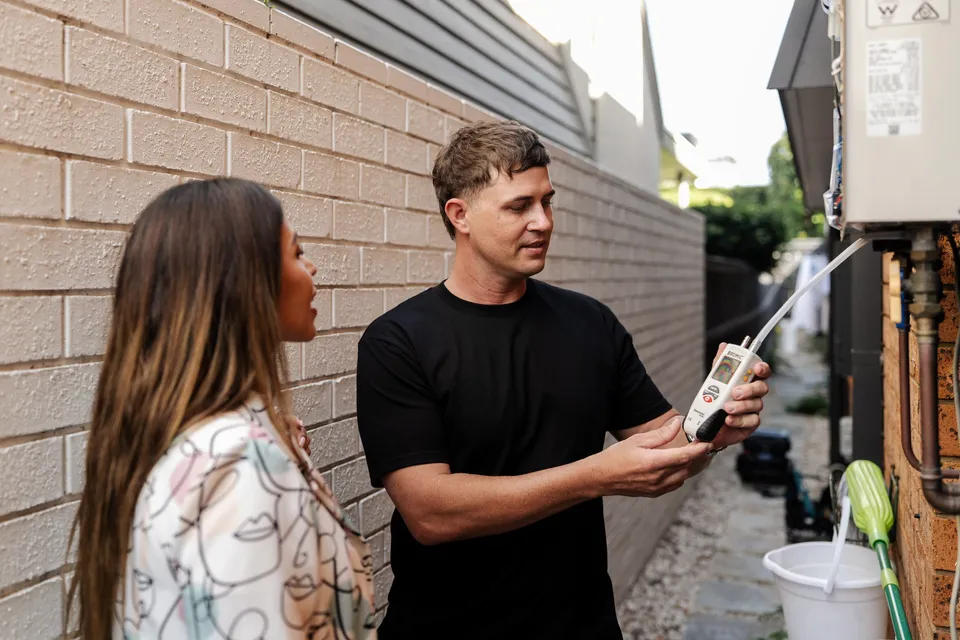
Galvanised Pipes and the Signs They Are Failing
Galvanised pipe is steel with a zinc skin, and once that skin wears through, the steel rusts from within, which shows up as discoloured water, weak flow and repeat leaks. The classic warnings are brown or rusty water, flow that drops across several taps at once, and leaks that return on one run no matter how often they're patched. Nobody should patch a galvanised line themselves; the work belongs to a licensed plumber.
Lead-based solder joined copper pipe and brass fittings across Australia until 1989, so joints from before then deserve a closer look during any repair. Replacing the supply piping between the meter and the house is notifiable work, and the approach to that swap sits on our water pipe repairs page.
What a Renovation Sets Off in an Older Home
Renovation plumbing in a building that already exists is mostly notifiable work. A licensed plumber does the job without a council permit, then registers a Form 4 with the QBCC inside 10 business days and hands you a copy. Under the Regulation, a building is existing once it has both a water supply and drainage, which covers nearly every older home in the suburb.
A few triggers change the category or add requirements:
- A permit is needed instead where the property shares its sanitary drain with a neighbouring premises, or where recycled water is reticulated to the property.
- A temperature control device is required whenever a water heater is installed or replaced, keeping water at the taps at 50°C or cooler.
- A second shower or similar hygiene fixture also triggers the device. Swapping a tap washer or a shower head avoids it.
- Most houses built before 1990 contain some asbestos, so renovating one needs extra precautions and may cost more.
One more thing worth knowing: any permit stays with the property, binding you, later owners and any occupier. The QBCC's register of notifiable work is searchable by address, and you can request a Form 4 copy for past work at your place.
What the Older Stock Means for Pipes
The older core here is timber and tin: Queenslanders up on Eildon and Swan Hill, weatherboard homes on blocks cut up back in the 1870s. Eildon Hill gained a service reservoir in 1930 as the district kept growing, and the streets it served were built out well before then, so plenty of original pipe runs have never been renewed.
Getting under the floor is easy, and nothing down there hides from a torch, though some unrenovated places on the hills still draw water through galvanised lines choked with scale. At the last census, 1,607 dwellings here were separate houses, and the older share of them carries exactly the stumped layout this page describes.
How a Visit Runs on an Older Home
- 1

Call or message us
Ring (07) 3523 7121 or use the form and describe what's going on in Windsor. A few details up front mean the right gear comes on the first trip.
- 2

We get under the house and read the runs
We crawl where the home allows, checking supply lines, waste pipes and gas runs beneath the floor, the joints and fittings along each one, and whatever the years have left behind. What we find goes into the quote in plain terms.
- 3
Fixed quote, then the work
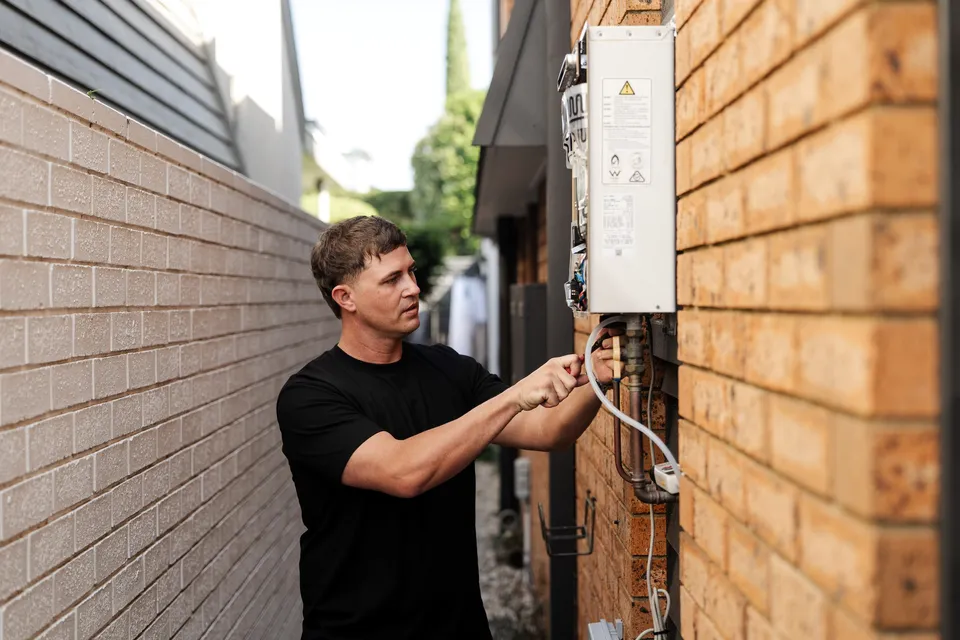
We give you a fixed quote before any work starts. It's flat-rate pricing with no hidden fees, and we only start once you approve it.
- 4

Settle up your way
Card and EFTPOS payment on site when the job's finished, or Fix now, pay later if that suits you better.
Plumbing job in Windsor?
$0 call-out fees, available 24/7, and same-day where we can.
Older Home Plumbing Questions From Windsor
Call (07) 3523 7121Where do the pipes run in a Queenslander on stumps?
Under the floor. The water supply, waste pipes and gas run in a stumped house usually travel through the open sub-floor space, where you can see them from underneath. A slab home hides most of its runs inside the slab or the wall cavities, so reaching them means opening something up.
How do I check the plumbing in an old house?
Look at what shows: wet soil or drips under the house, rust marks on the pipework, timber below that's damp or stained, and a musty smell under the floor. Brown water and weak flow at the taps count too. A plumber checks the rest, and the leak detection page has the meter test.
Are there galvanised water pipes in Windsor's older homes?
Yes, some may still have them. Unrenovated timber homes on the older hill streets can still draw water through galvanised lines choked with scale. On site, a plumber verifies the material and its condition.
Why is the water rusty in my older home?
Rusty or brown water usually points to steel pipe corroding from within. Galvanised pipe is steel coated in zinc; once that coating wears through, the rust colours the water and chokes the flow. A plumber checks the cause on site, and replacement is covered on the water pipe repairs page.
Does renovating my Windsor home need a plumbing permit?
No, not in most cases. Plumbing in an existing building is generally notifiable work, so no council permit is needed and the plumber registers a Form 4 with the QBCC. A permit only applies where the property shares its sanitary drain with another premises or has recycled water reticulated to it.

Call Windsor Plumbing Services for Older Home PlumbingWe'll call you back.
Phone (07) 3523 7121 for a licensed plumber in Windsor. We work under QBCC No: 15024607, with flat-rate pricing, no hidden fees and same-day where we can.
To claim your $0 call-out fee, call (07) 3523 7121 today.