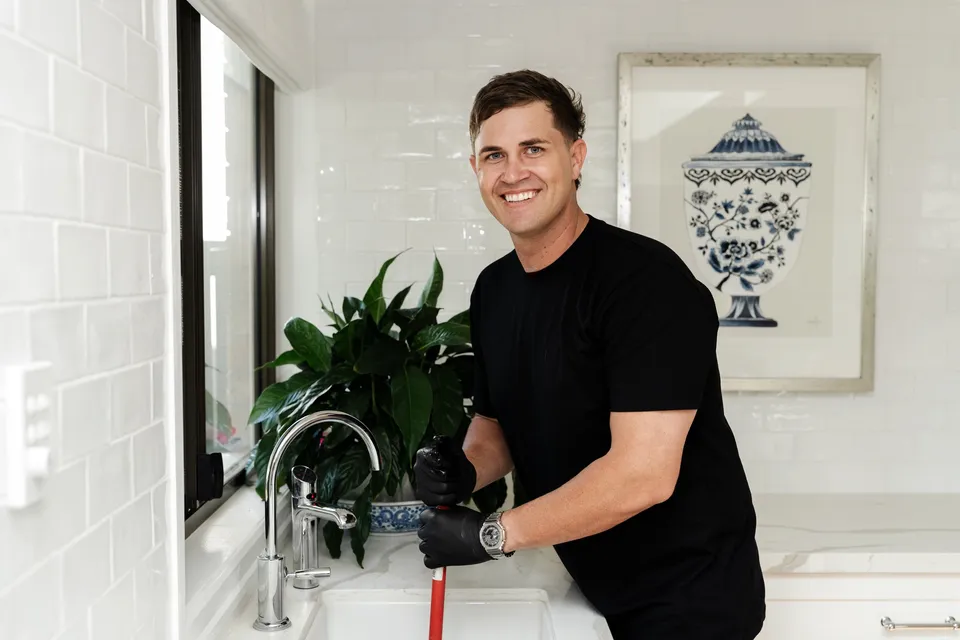
Tap Repairs
Fixing what's worn:
- Tap Repairs in Windsor covers washers, cartridges, spindles and seats.
Tap and toilet repairs for Windsor households fill more of our week than any other call: drips, running cisterns, weak flushes and valves worn past their use-by. Every one of those jobs is done by a licensed plumber, and this page sets out what the work covers, what the rules allow, and when a repair stops being worth it.
If we're late, $100 comes off your bill
The Windsor housing stock shapes the faults. Old Queenslanders on the hills often carry their original brass fixtures, while the unit blocks along the main roads pack bathrooms into tight internal corners where a weeping cistern matters fast.

A drip, a running cistern or a slow fill is usually a repair job; a crack in the tap body, the cistern or the pan is where replacing starts. The worn part costs a fraction of a new fixture, so the body's condition is the first thing we check.
Common repairs include:
a new washer, or a dressed valve seat if the old one is scored.
a fresh ceramic disc cartridge, which cures most spout and handle drips.
a new inlet valve paired with a fresh outlet washer.
valve and seal renewals inside the cistern.
Damage to the fixture itself changes the maths. A cracked pan or a corroded tap body cannot be patched, and a fixture on its third round of repairs can cost less over time to replace than to keep mending. The tuff walls of the old shire chambers at Lutwyche and Albion roads outlasted the fittings inside buildings of that era, and plumbing never does.
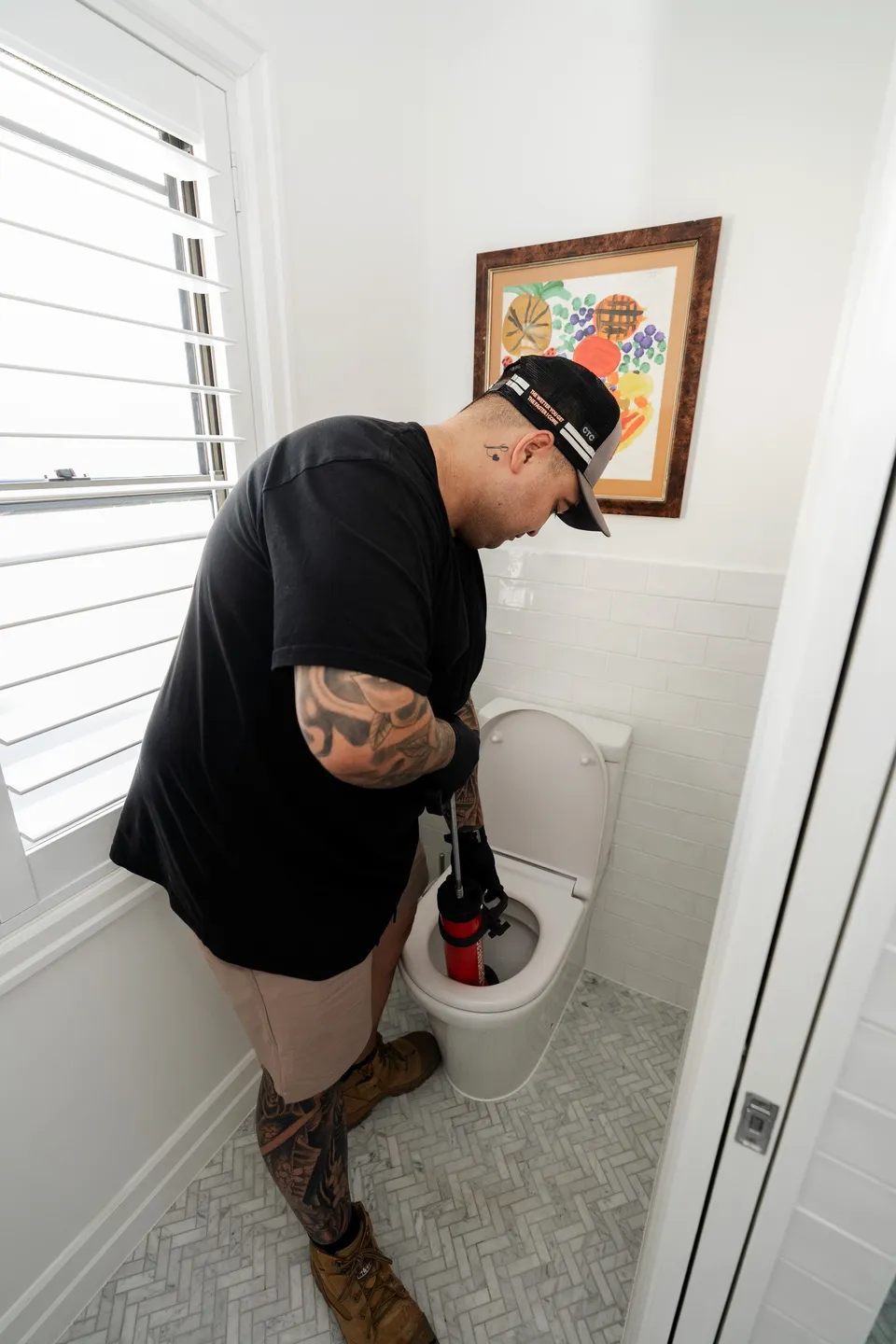
Queensland leaves only a handful of small jobs open to an unlicensed home owner, and the QBCC names them precisely. Everything else in this trade needs a licence.
The QBCC's unregulated list covers:
Even so, that work is held to the plumbing code's minimum standard, so competence is assumed, not optional. Replacing a tap sits outside the list: the QBCC guide points to that very job when explaining what needs a licence.
Two categories cover the rest:
mending a tap or toilet fitting, or fitting a replacement. A QBCC licensee carries it out, without a permit or a Form 4.
putting in a new toilet, or shifting an existing one. There's no council permit; instead your plumber lodges a Form 4 with the QBCC within 10 business days of finishing.
On the pre-1940 homes around Eildon Hill, that line matters. A century of paint and corrosion can turn a simple washer swap into a seized-spindle job, which is licensed territory the moment the fixture comes apart.
Water Efficiency Labelling and Standards, known as WELS, is the scheme that grades each tap and toilet by stars and by the water it uses. Before any product can be sold or installed here, it needs WELS registration plus WaterMark certification, and a licensed plumber can only install a fixture that carries both.
Rental properties carry their own limits, and most households in this suburb rent:
cold taps indoors and single mixers are limited to 9 litres per minute at most.
the full flush is capped at 6.5 litres, the half flush at 3.5 litres, with an average flush under 4 litres.
bathtub taps, garden taps and the taps feeding washing machines and dishwashers are excluded.
Those flow limits decide whether the tenant pays the full water bill. They come up in the blocks along Newmarket Road as often as in the houses on the hills.
Freshly built homes and sole-occupancy units also carry minimum stars: 3 for taps and showerheads, 4 for the toilet's dual flush. Renovations are exempt from those minimums.

No, the utility's concealed leak adjustment does not extend to water lost through a leaking tap or a running cistern. The owner carries that loss, and a slow drip can waste thousands of litres over a year.
The split at the meter decides everything else:
looks after the mains and the meter itself.
own every pipe and fitting on the house side of the meter.
That makes a dripping cistern a direct bill, not a glitch. In stacked units, a running toilet upstairs is also the neighbour's ceiling problem, so the repair rarely waits for a convenient week.
Each fixture job has its own page, plus a guide worth reading before you call:
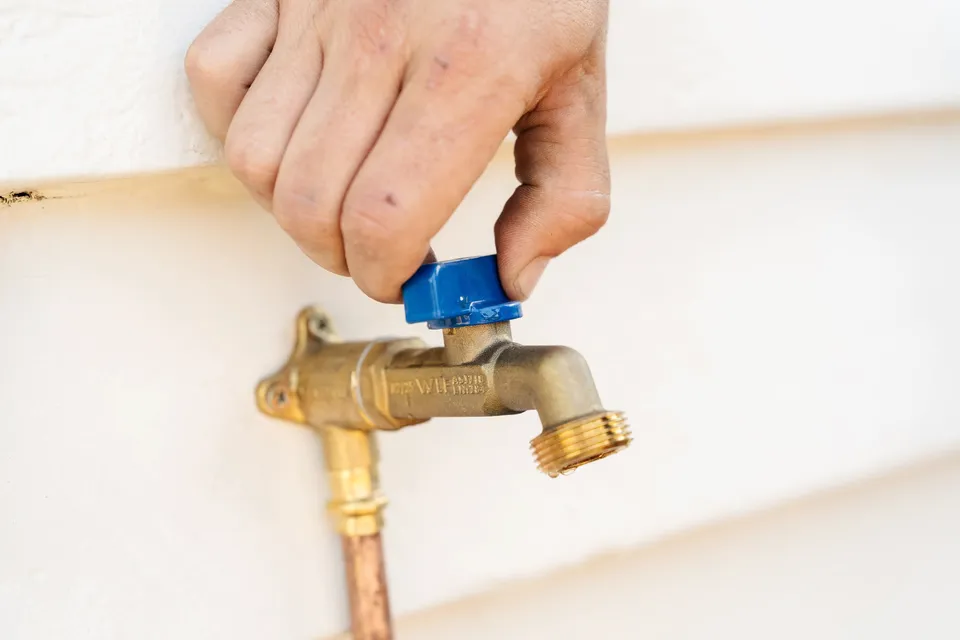
Fixing what's worn:
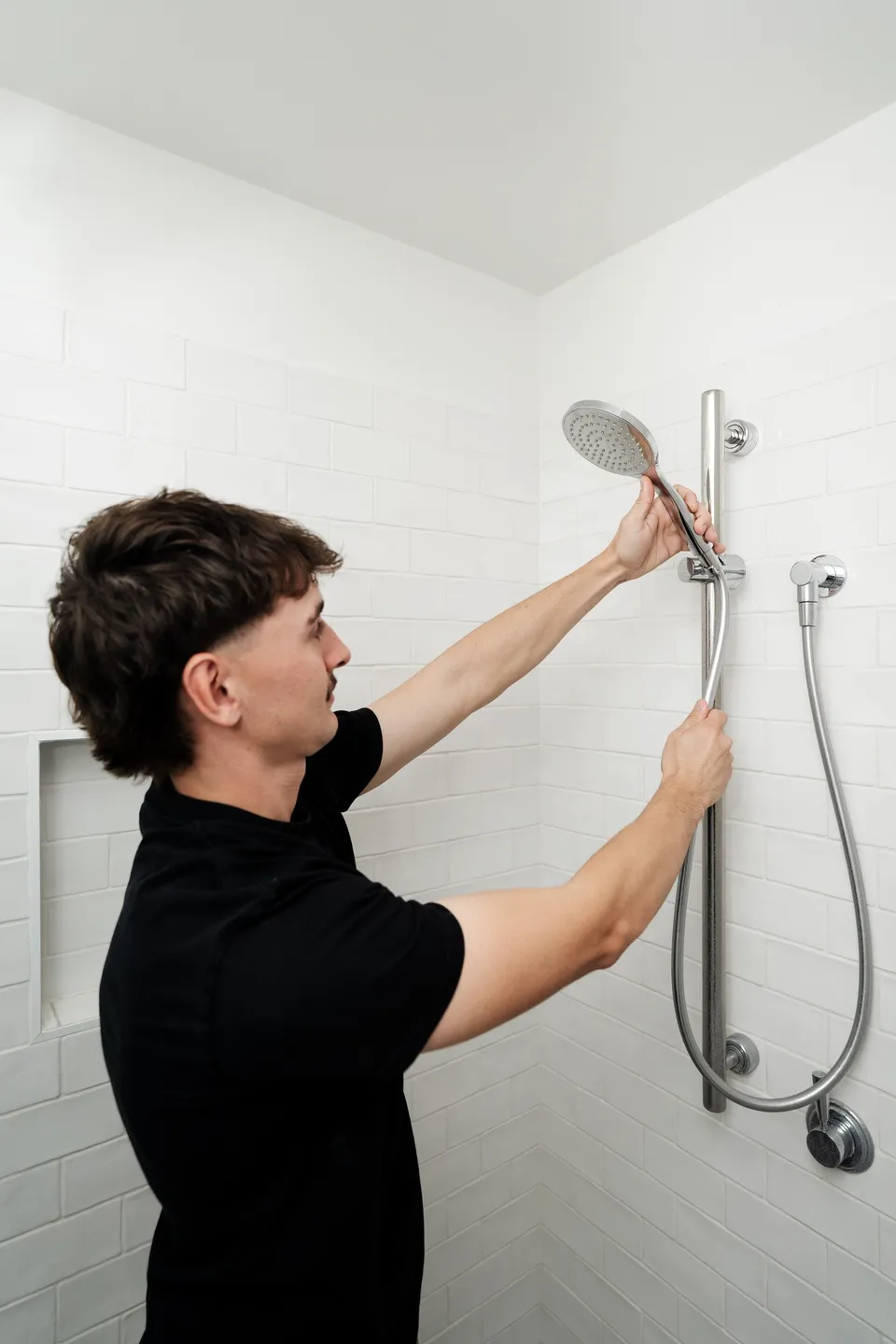
Curing the running suite:
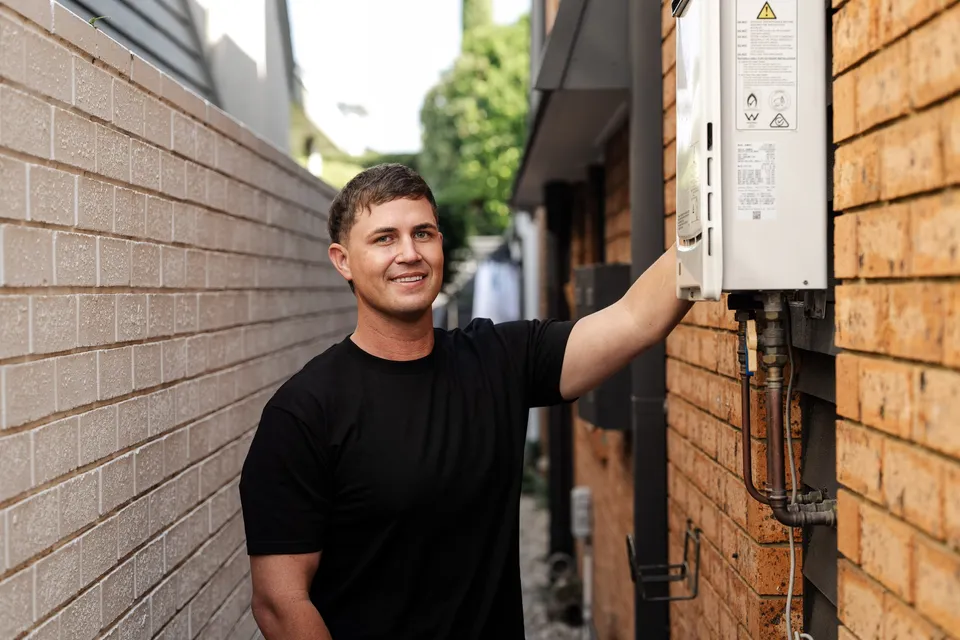
New fixtures where repairs stop paying:
Whole-suite work:
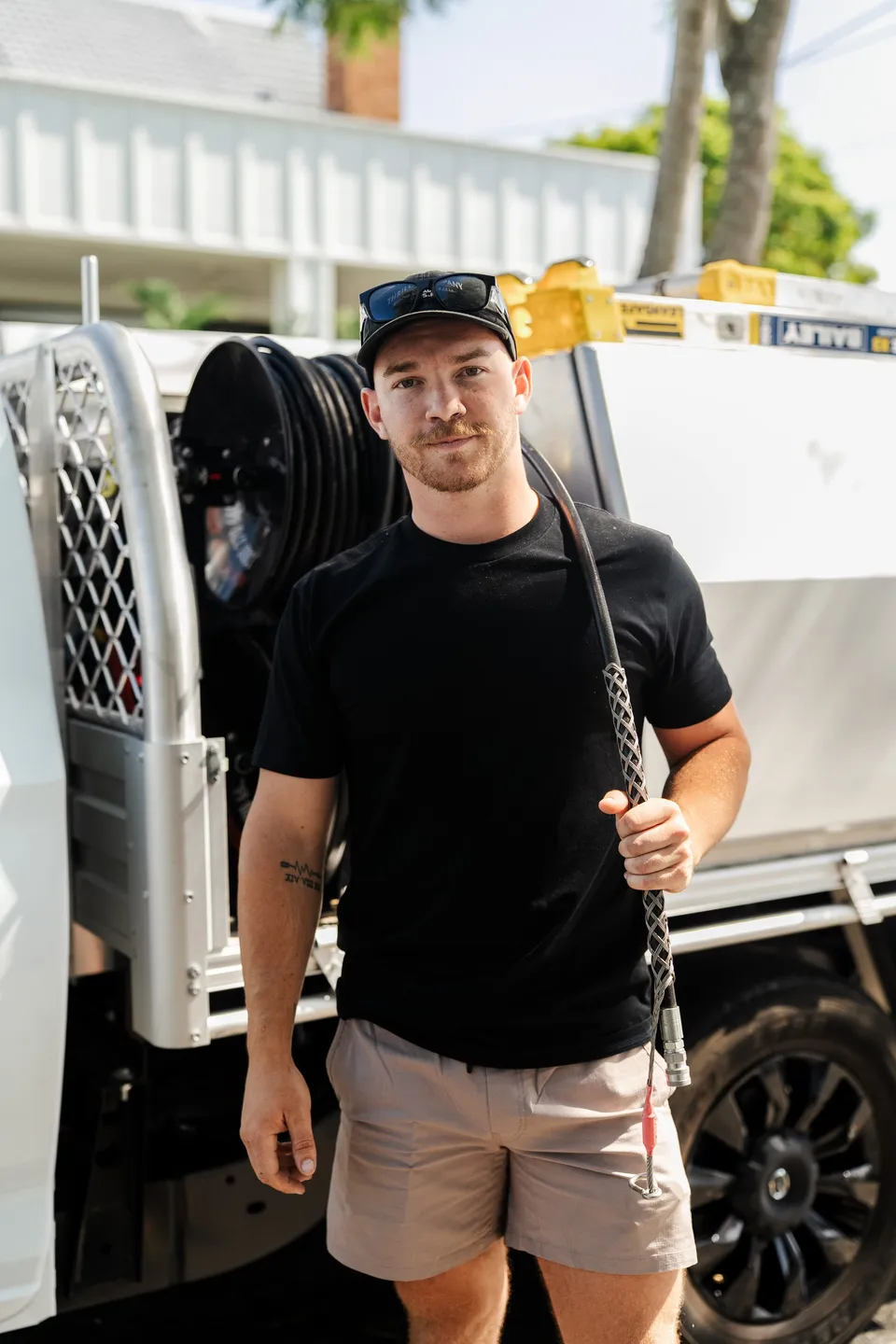
Reading the fault first:
$0 call-out fees, available 24/7, and same-day where we can.

Ring (07) 3523 7121 or use the form and describe what's going on in Windsor. A few details up front mean the right gear comes on the first trip.
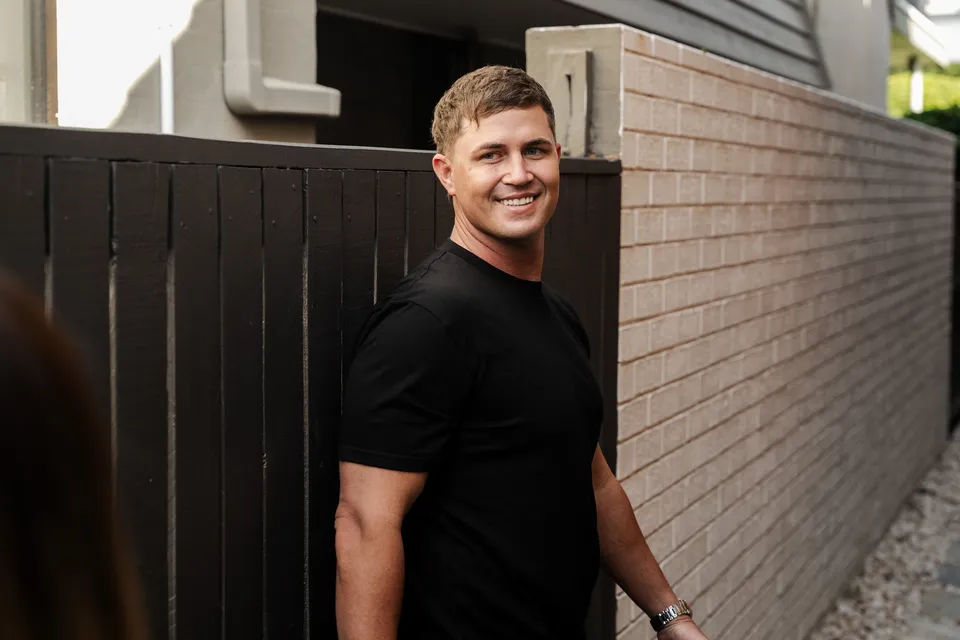
We shut off the isolation valve or the meter, pull the tap or cistern apart and find the worn part, then show you what we've found. You'll know whether it's a repair or a replacement before any part is ordered.

We give you a fixed quote before any work starts. It's flat-rate pricing with no hidden fees, and we only start once you approve it.
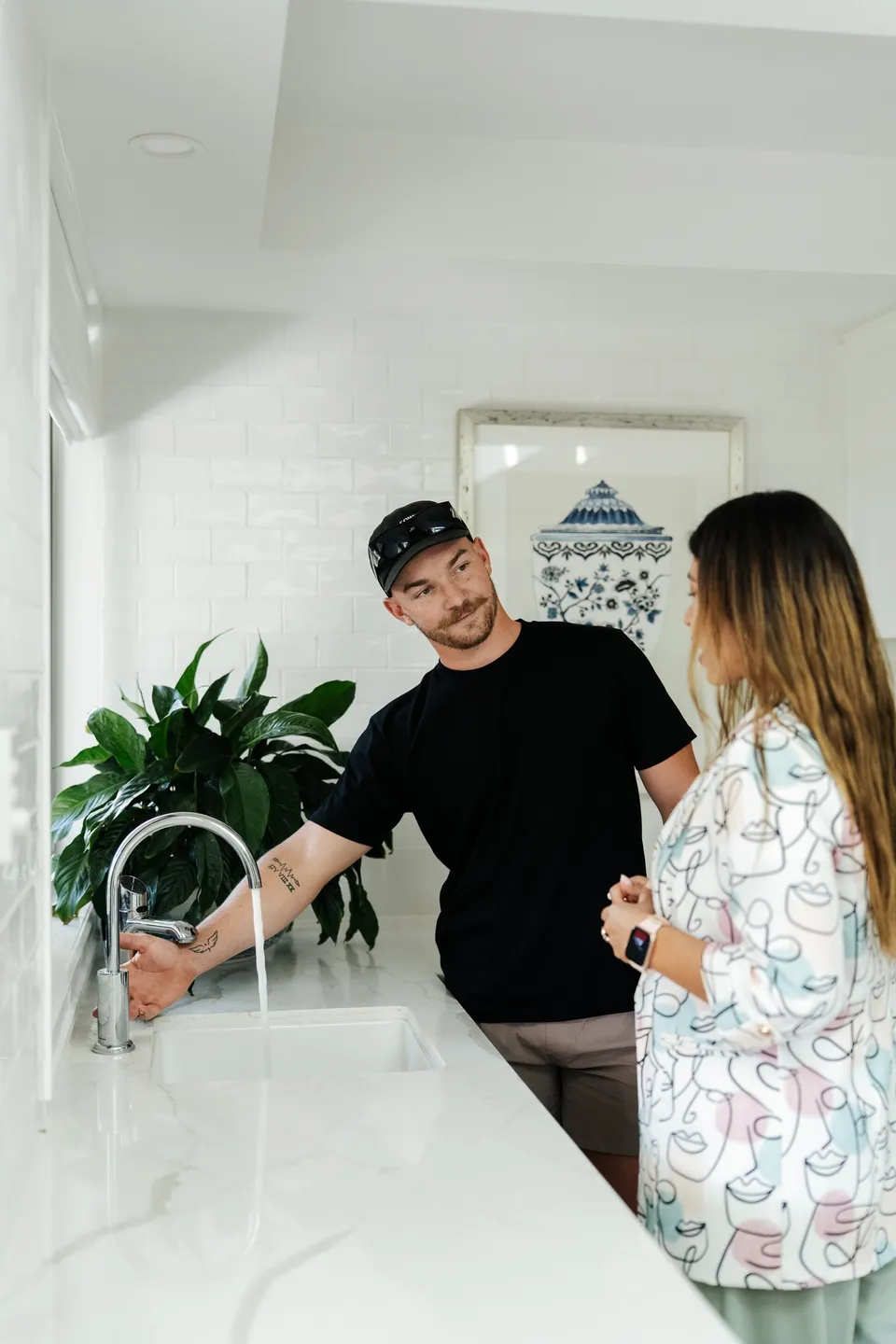
Card and EFTPOS payment on site when the job's finished, or Fix now, pay later if that suits you better.
Every job in Windsor comes with $0 call-out fees, and there's no extra charge for nights, weekends or public holidays.
You get a fixed quote before any work starts, with flat-rate pricing and no hidden fees.
Our Fix-It-or-It's-Free guarantee covers the work (T&Cs apply), our labour carries a lifetime labour warranty, and if we're late, $100 comes off your bill.
Every job is done by a licensed plumber under QBCC No: 15024607. We're licensed and insured, locally owned and operated, and proud MPAQ members.
We fix drips at the spout, the handle or the base, cisterns that run or leak, slow refills, weak flushes, and worn stop taps with their connections. Tap repairs covers washers and cartridges, toilet repairs covers valves and seals, and every job is done by a licensed plumber.
No, both usually wait for a booked visit, though each wastes water until it's fixed. Water that will not shut off is urgent: close the isolation valve at the fixture or the main at the meter, then use our emergency plumber page.
Yes, in Queensland a plumber's licence is needed to swap a whole tap, and only a handful of washer-level jobs sit outside that rule. Putting in a new toilet goes further again, as notifiable work, which goes to the QBCC on Form 4.
No, the concealed leak adjustment leaves out water lost through leaking taps and toilet cisterns, so the owner carries that loss. The utility maintains the mains up to your meter, and every pipe on the house side of it is yours.
The price is set by a fixed quote once we've seen the job. What drives it: which part failed, the tap or cistern type, damage to the seat, body or porcelain, and how easy the isolation valves are to reach.
The owner or manager keeps the rental in good repair, and the tenant reports a fault as soon as it appears. A toilet that's blocked or out of action is emergency-listed, so it cannot be left waiting.

Phone (07) 3523 7121 for a licensed plumber in Windsor. We work under QBCC No: 15024607, with flat-rate pricing, no hidden fees and same-day where we can.
Current offers:
T&Cs apply. Mention this offer when booking.
To claim your $0 call-out fee, call (07) 3523 7121 today.